

Complete Size Guide: How to Measure Yourself at Home
Table of Contents
One of the most common reasons for a return isn't the dress, the top, or the pair of pants themselves. It's simply that the size didn't match what was expected. Online shopping removes the ability to try something on before you buy it, which means the few minutes it takes to measure yourself properly can save you the time, cost, and hassle of sending something back.
This guide walks through exactly how to take your own measurements at home, using nothing more than a flexible measuring tape and a few minutes in front of a mirror, so you can shop Shoparoo's dresses, pants, and tops with confidence.
Why Measuring Yourself Matters More Than Guessing Your Usual Size
It's tempting to simply order your usual size and assume it will fit the way your other clothes do. The problem is that sizing isn't standardized across brands. A size 10 in one label can be cut generously, while the same size 10 in another runs noticeably smaller. Fabric choice also plays a role. A stretch jersey dress and a structured woven dress in the same labeled size can fit two completely different ways on the same body.
Taking your own body measurements removes the guesswork. Instead of relying on a size label, you're comparing your actual measurements against the specific garment's size chart, which is a far more reliable way to predict fit.
What You Need Before You Start
You don't need anything specialized to measure yourself accurately. A soft, flexible tape measure, the kind used for sewing, works best, since a rigid tape won't follow the curve of your body correctly. If you don't have one, they're inexpensive and widely available.
It also helps to measure over close-fitting clothing, such as a t-shirt and leggings, rather than over a bulky sweater or loose clothing, which can add inches to your results. Standing in front of a mirror, or asking someone to help, makes it easier to keep the tape level as you go.
How to Measure Your Bust
Wrap the tape measure around the fullest part of your bust, keeping it parallel to the floor. The tape should sit snugly against your body without pulling tight or compressing anything. Breathe normally and take the measurement at the end of a normal exhale, rather than while holding your breath, which can throw off the number.
How to Measure Your Waist
Your natural waistline is the narrowest part of your torso, usually located about an inch above your belly button. Wrap the tape around this point, keeping it level all the way around. Avoid pulling the tape too tight. It should feel comfortable, similar to how a waistband would sit.
How to Measure Your Hips
Stand with your feet together and wrap the tape around the fullest part of your hips and glutes, roughly 7 to 9 inches below your natural waistline for most body types. This is usually the widest point of the lower body, so take a moment to check a few inches up and down to confirm you've found the largest measurement.
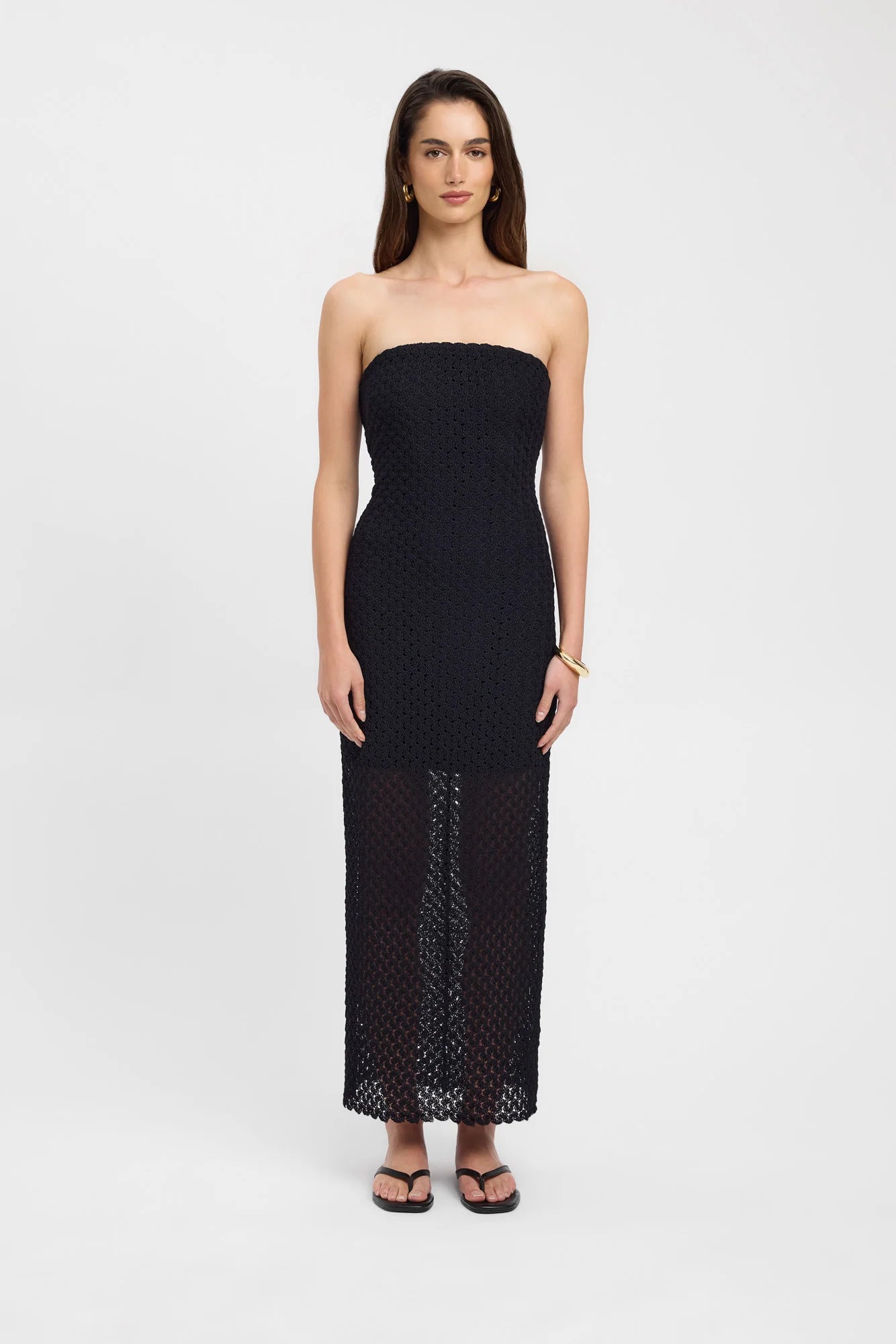
Shoparoo Size Chart
Once you have your bust, waist, and hip measurements, compare them against the chart below to find your Shoparoo size. Measurements are listed in centimeters.
| Size | Bust (cm) | Waist (cm) | Hips (cm) |
|---|---|---|---|
| XS | 82–86 | 62–66 | 88–92 |
| S | 87–91 | 67–71 | 93–97 |
| M | 92–97 | 72–77 | 98–103 |
| L | 98–104 | 78–84 | 104–110 |
| XL | 105–111 | 85–91 | 111–117 |
Individual product pages may include fit notes such as "true to size" or "runs small, size up," which are worth checking alongside this general chart, since fabric and cut can shift the fit slightly from style to style.
What to Do If You're Between Sizes
It's common to find that your bust measurement points to one size while your hips point to another. When this happens, a few general rules can help guide the decision:
- For structured, fitted styles, such as bodycon dresses or tailored pants, size up to the larger of the two measurements, since it's easier to have a slightly loose fit taken in than a tight one let out.
- For relaxed or flowy styles, such as maxi dresses or wide-leg pants, the smaller size often works fine, since the fabric has more natural room to move.
- If you're still unsure, Shoparoo's customer support team can help you decide between sizes for a specific product.
Frequently Asked Questions
How often should I re-measure myself?
Body measurements can shift over time, so it's a good idea to re-measure every six months to a year, or any time your weight changes noticeably, rather than relying on measurements taken years ago.
Should I measure over clothing or without it?
Measure over close-fitting clothing like a t-shirt and leggings rather than bare skin or bulky layers. This gives a more realistic sense of how the garment will actually sit once worn.
What if my measurements fall between two sizes on the chart?
Do Shoparoo's dresses run true to size?
Most styles run true to size, but fit can vary by fabric and cut. Always check the individual product description for specific fit notes before ordering.
Ready to shop with your measurements in hand? Browse Shoparoo's Dresses collection, Jewellery, or the full shop to find your next piece.